
Search
Category
Related Industries
- BASF Starts Up $1 Billion MDI Plant, Doubling Annual Capacity to 600,000 TonnesBASF's $1 billion Geismar MDI plant reportedly doubles annual capacity to 600,000 tonnes. Explore the potential impact on North American supply and sourcing.
- How sustainability trends are reshaping chemical supply chainsExplore chemical industry trends sustainability leaders need to know, from lower-carbon sourcing to circularity, safer chemistry, and supply chain resilience.
- 40th China Plant Protection Fair Opens in Chengdu With Standards and RNA Pesticide FocusChina Plant Protection Fair in Chengdu highlights 10 group standards and RNA pesticide technology. Explore what buyers and suppliers need to verify.
Weekly Insights
Stay ahead with our curated technology reports delivered every Monday.
China's Polymer MDI Market Price Slips Under Pressure on November 17




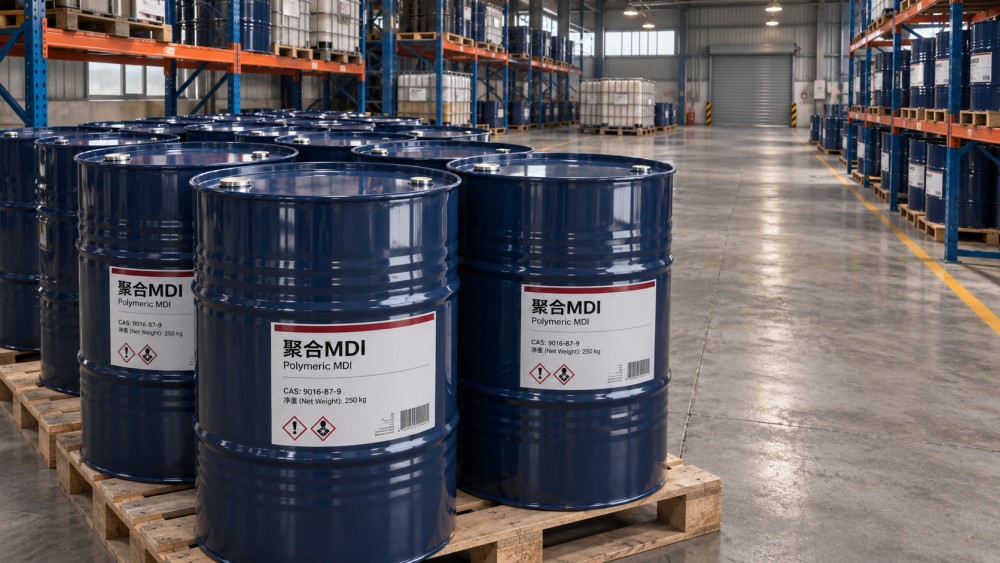
On November 17, 2026, the average domestic price of polymer MDI in China fell to 17,800 yuan per tonne, according to monitoring by Baiinfo. Sparse inquiries and limited downstream purchases made the decline relevant to suppliers, traders and raw material buyers reviewing prices and delivery plans. The information provided identifies no policy, regulatory, certification or trade-rule change; it is a market signal that businesses can use when assessing transactions and checking whether any separate rule changes affect them.
Thin Trading Accompanies the Price Decline
Baiinfo's monitoring put the domestic polymer MDI market average at 17,800 yuan per tonne on November 17, 2026. Market activity remained subdued, with few inquiries. Downstream buyers maintained purchases based on immediate needs, following up with only a small number of small orders. There was no concentrated replenishment, and the overall market showed a weakening and declining pattern.
These are the facts supplied for this report. The information does not specify individual transaction prices, contractual terms, the size of the price decline or a comparison with an earlier average.
Where the Weak Market May Reach the Supply Chain
Suppliers and Traders Face a Narrower Inquiry Base
Analysis suggests that sellers and traders may need to pay closer attention to the relationship between quoted prices and the volume of genuine inquiries. When inquiries are scarce and orders are small, a published market average can provide a reference point, but it cannot establish the price obtainable for a particular quantity, delivery date or set of commercial terms.
For negotiations, the immediate question is how a buyer's requested volume and timing relate to an offer. A seller may find it useful to distinguish an indicative quotation from a firm offer and to confirm how long each remains valid. These are suggested commercial checks; the supplied information does not announce a new pricing rule or require any change to existing contracts.
Traders handling orders between suppliers and buyers may also wish to check whether the price, quantity and delivery terms passed between the parties remain aligned. Small orders can make the details of each transaction more consequential to the parties involved, although the input provides no evidence of a particular dispute or delivery problem.
Raw Material Buyers May Reconsider Order Timing
From a procurement perspective, a lower market average alongside limited buying may encourage some purchasers to review when and how much they order. A buyer whose immediate needs are modest may prefer smaller purchases, while another may place greater weight on securing material for a planned production schedule. Neither response is established by the reported price alone.
Analysis suggests that the practical decision is whether the potential benefit of waiting for another quotation outweighs the risk of leaving a requirement uncovered. Buyers can compare the terms available for a small order with those for a larger commitment and check that the proposed delivery date fits their own needs. The information supplied does not establish that prices will continue to fall or that material will be unavailable.
Manufacturers and Delivery Coordinators Need Clear Commitments
For businesses that use polymer MDI, changes in the price reference may affect discussions between purchasing and production planning. Where a manufacturer is considering a near-term order, the procurement team may need to confirm the required quantity and timing before using the market average in a supplier discussion. This is an analytical implication of the reported buying pattern, not evidence of a change in production activity.
Those coordinating deliveries may also benefit from confirming the quantity, destination and scheduled timing attached to each order. The summary reports small-order activity but gives no delivery terms or evidence of delays. It therefore supports attention to order details, not a conclusion that delivery arrangements have already changed.
Checks to Make Before the Next Order
Separate the Market Average From an Offer
The reported 17,800 yuan per tonne is a domestic market average. Buyers and sellers should evaluate an actual offer on its stated terms rather than assume that the average applies to every transaction. A practical comparison can include the quoted quantity, the period for which the offer is valid and the delivery arrangements included in the price. The input does not explain how the monitored average was calculated, so its coverage and methodology remain points to verify with the source.
When comparing quotations, it may also help to record the date on which each was obtained. In a market described as weakening, quotations collected at different times may not be directly comparable. That observation does not predict the direction of the next quote; it simply makes the basis of a purchasing decision clearer.
Match Purchase Volumes to Confirmed Needs
Analysis suggests that the reported absence of concentrated replenishment makes order size a useful point of review. Buyers can map confirmed requirements against the quantities and delivery dates offered by suppliers. If a business is considering a larger purchase, it can assess the commitment against its own needs and the terms available for subsequent orders.
Conversely, a sequence of small orders may require more frequent quotation and scheduling checks. The appropriate balance depends on the individual transaction. The reported market conditions do not establish a preferred order size or require buyers to adopt the purchasing pattern described in the monitoring summary.
Check Existing Terms and Supporting Documents
Before treating a lower market average as the basis for a price adjustment, parties can review the pricing and amendment provisions in their existing agreements. Whether a contract allows a revision depends on its own terms; no such provisions are provided in the input. Businesses may also wish to keep quotations, order confirmations and delivery instructions consistent so that the agreed transaction can be checked if questions arise.
Where product specifications, quality documents or supplier qualifications are relevant to a purchase, buyers can verify them against their existing requirements before confirming an order. The price report does not identify a new specification, certification requirement or documentation rule, and it gives no basis for claiming that existing requirements have changed.
Keep Regulatory Checks Separate From Price Monitoring
A market-price movement does not by itself establish a change in law, certification practice or trade rules. If a company needs to assess those matters for a transaction, it can check the relevant official publications and transaction documents separately. Any possible rule change would need its own source and confirmation before being treated as an obligation or incorporated into a delivery or procurement decision.
This distinction also matters when communicating internally. A purchasing team can report the observed average and subdued inquiries as market information while flagging any independently verified compliance issue on its own terms. The supplied summary contains no official implementation details to review and no basis for attributing the price movement to a policy decision.
What the November Price Signal Can and Cannot Establish
At this stage, it is more appropriate to understand the report as an observation of market conditions on November 17, 2026, than as evidence of a rule taking effect or an enforcement signal. The confirmed combination is a lower average, sparse inquiries, small downstream orders and no concentrated replenishment. The information does not identify the causes of those conditions or establish how long they will last.
Further observations could help businesses assess whether the reported pattern persists. Relevant questions include whether inquiry activity changes, whether buyers begin placing larger orders and how subsequent market assessments compare with the stated average. Individual offers and completed transactions would need to be evaluated on their own terms; the supplied report does not provide those details.
Industry feedback may also help explain how participants interpret the reported weakness, but feedback should be distinguished from verified changes in contracts or rules. If a later official announcement, trade requirement or certification update is identified, its scope, effective timing and relevance to a specific transaction would need to be checked independently. No such development is confirmed here.
Using the Report in Procurement Decisions
The immediate significance of the report is that it gives market participants a dated price reference alongside a description of subdued demand. For sellers, it may inform quotation discussions; for buyers, it may prompt a review of order timing and volumes. Neither the average nor the reported purchasing pattern determines the outcome of an individual negotiation.
A measured response is to use the information as one input to current commercial decisions, confirm transaction-specific terms and monitor subsequent reports. Any policy, certification or trade implication remains a separate question requiring evidence. The available information supports continued observation of the market rather than a conclusion that a formal industry rule has changed.
Basis for This Report and Further Verification
This article is based on the user-provided news title, event date and summary, which attribute the market monitoring to Baiinfo. The supplied information does not include a specific official source link, and the underlying monitoring details and any subsequent developments require continued verification.
Depending on the question being assessed, later checks may include original market reports, official announcements, publications by relevant authorities, industry association information, standards organization documents and reliable media reports. Businesses assessing a possible rule change should also monitor any relevant implementation details, certification guidance, tender documents, trade practices and industry feedback. These are possible avenues for verification, not claims that new measures or changes have been issued.
Recommended News