
Search
Category
Related Industries
- BASF Starts Up $1 Billion MDI Plant, Doubling Annual Capacity to 600,000 TonnesBASF's $1 billion Geismar MDI plant reportedly doubles annual capacity to 600,000 tonnes. Explore the potential impact on North American supply and sourcing.
- How sustainability trends are reshaping chemical supply chainsExplore chemical industry trends sustainability leaders need to know, from lower-carbon sourcing to circularity, safer chemistry, and supply chain resilience.
- 40th China Plant Protection Fair Opens in Chengdu With Standards and RNA Pesticide FocusChina Plant Protection Fair in Chengdu highlights 10 group standards and RNA pesticide technology. Explore what buyers and suppliers need to verify.
Weekly Insights
Stay ahead with our curated technology reports delivered every Monday.
China Extends Anti-Dumping Duties on US n-Propanol for Five Years, Up to 267.4%




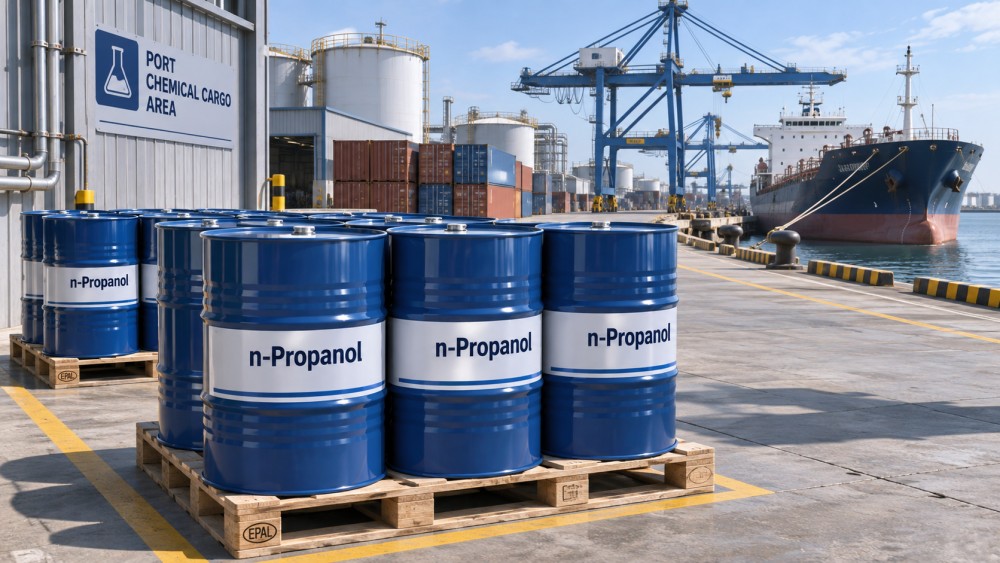
On November 6, 2026, China’s Ministry of Commerce announced a five-year extension of anti-dumping and countervailing duties on imports of n-propanol originating in the United States. The decision is relevant to importers, buyers and suppliers assessing the cost and continuity of trade in the product.
Five-Year Extension Follows Expiry Review
The Ministry of Commerce decided that both duties would continue from November 6, 2026, for five years. The expiry review found that ending the measures could lead to continued or renewed dumping of US n-propanol imports into China and injury to the domestic industry. Anti-dumping duty rates remain between 254.4% and 267.4%.
Where the Extension May Affect Trade
Import Transactions and Landed Costs
From an industry perspective, importers and traders handling US-origin n-propanol may need to account for the continuing duties when estimating landed costs, preparing quotations and negotiating contracts. The supplied information does not specify countervailing duty rates or how individual anti-dumping rates apply, so transaction-level calculations warrant verification.
Purchasing and Supply Decisions
Buyers and manufacturers using n-propanol may need to reassess procurement options where US-origin material is under consideration. Analysis suggests that duty costs could affect supplier comparisons and purchasing plans, although the information provided does not establish actual price changes or supply disruptions.
Documentation and Delivery Planning
Suppliers and logistics providers may need to coordinate with customers on product and origin documentation for affected shipments. The extension could also influence delivery planning if buyers revisit sourcing arrangements; no change to documentation requirements or delivery times is confirmed in the supplied information.
What Businesses Can Check Now
Confirm Product Origin and Applicable Rates
Businesses considering imports can review whether a shipment falls within the scope of the measures and verify the applicable anti-dumping and countervailing duty treatment against official information. The supplied summary gives a range for anti-dumping duties but does not provide the countervailing rates or rate assignments.
Review Contracts and Procurement Assumptions
Importers and buyers may wish to check how existing quotations and contracts address duties, and test whether procurement budgets remain appropriate. Any alternative sourcing or product substitution should be assessed against the buyer’s own requirements before commitments are changed.
Monitor Implementation and Trade Documentation
Companies can keep relevant product and origin records available and follow subsequent official guidance on implementation. Any transaction-specific documentation or customs treatment should be checked rather than inferred from the summary.
A Continuing Measure With Details to Verify
At this stage, the decision is best understood as an implemented extension of existing trade measures, not the introduction of a newly stated duty range. What remains to be observed is how the measures are applied to individual transactions and how buyers and suppliers respond. Further official details and trade experience may affect business assessments.
Planning Around the Five-Year Extension
The extension provides a confirmed policy basis for continued duties on US-origin n-propanol, while leaving transaction-specific questions outside the supplied summary. A measured response is to verify applicable treatment and review sourcing and cost assumptions without assuming a particular market outcome.
Basis for This Report
This article is based on the supplied news title, event date and event summary. No specific official source link was provided in the input, and the announcement and its implementation should be verified as further information becomes available. Subsequent official notices, trade implementation and industry feedback remain relevant to monitor.
Recommended News