
Search
Category
Related Industries
- BASF Starts Up $1 Billion MDI Plant, Doubling Annual Capacity to 600,000 TonnesBASF's $1 billion Geismar MDI plant reportedly doubles annual capacity to 600,000 tonnes. Explore the potential impact on North American supply and sourcing.
- How sustainability trends are reshaping chemical supply chainsExplore chemical industry trends sustainability leaders need to know, from lower-carbon sourcing to circularity, safer chemistry, and supply chain resilience.
- 40th China Plant Protection Fair Opens in Chengdu With Standards and RNA Pesticide FocusChina Plant Protection Fair in Chengdu highlights 10 group standards and RNA pesticide technology. Explore what buyers and suppliers need to verify.
Weekly Insights
Stay ahead with our curated technology reports delivered every Monday.
China Sulfuric Acid Index Falls 2.88% as Supply and Demand Diverge




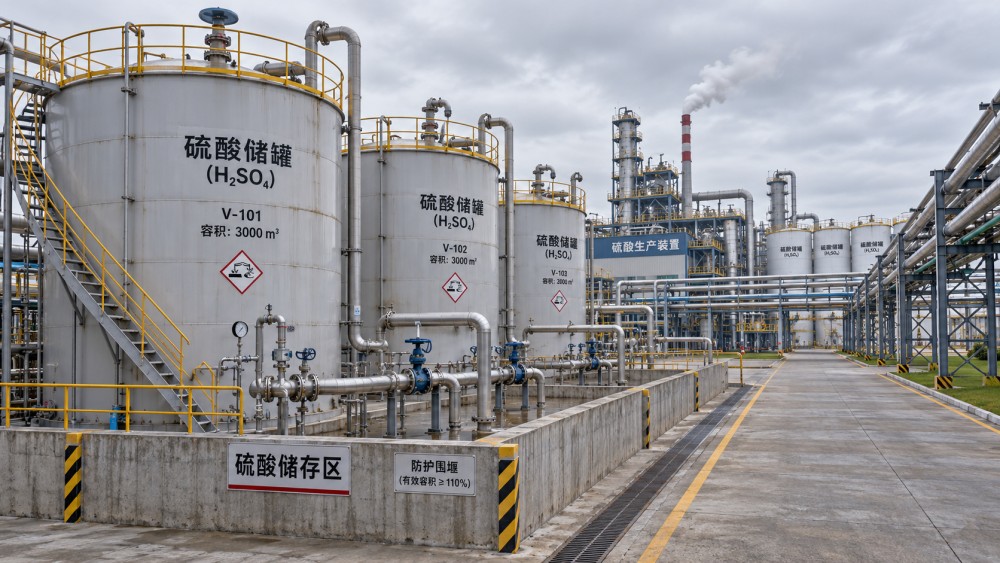
China’s Longzhong price index for 98% sulfuric acid stood at 1,280 yuan per tonne on November 20, 2026, down 2.88% from the previous week. The decline came as maintenance reduced supply while production restarts and inventory continued to exert pressure. Weak phosphate fertilizer demand and lower-priced material in some areas contributed to differing market conditions across regions.
Sulfuric acid capacity utilization fell to 63.01%, a decrease of 0.36 percentage points from the previous reporting period. The combination of lower utilization and a falling price index highlights the central tension in the market: a reduction in operating rates does not necessarily translate immediately into tighter availability when inventories remain and other production returns.
Why reduced utilization has not resolved supply pressure
Maintenance can limit the volume of acid produced, but its effect on the market depends on how much material is already available and how quickly demand absorbs it. Restarts can also offset part of the reduction. The reported decline in utilization therefore describes a change in operating activity; it does not, by itself, establish that the market has moved into shortage or that prices are about to recover.
The timing of those changes matters. If production returns while inventories remain available and purchasing stays subdued, sellers may continue to face pressure when placing material. Conversely, a sustained reduction in available supply could support prices if demand absorbs existing stocks. The current index movement shows that the reported supply adjustment has occurred alongside lower prices, but it does not reveal the separate contribution of maintenance, restarts or inventories to the decline.
Phosphate fertilizer demand and regional price differences
Phosphate fertilizer is in its off-season, and the associated demand for sulfuric acid is weak. That leaves the market with less support from this downstream segment as it works through the effects of maintenance, returning production and inventories. A change in fertilizer purchasing would be relevant to the acid market, although its effect would also depend on the supply available at the time.
Lower-priced resources in some areas are adding to the pressure, while market movements differ by region. For buyers and sellers, this means the national index is a useful indicator of the broader direction but should not be treated as the price for every transaction or location. Local availability and the prices of competing material can influence negotiations differently from one market to another.
The reported figures support a clear near-term conclusion: the index has fallen despite a modest reduction in capacity utilization. Whether that pattern persists will depend on the balance between further production changes, inventories and phosphate fertilizer demand. Regional price movements will also matter in assessing whether low-priced material continues to weigh on the wider market.
Recommended News